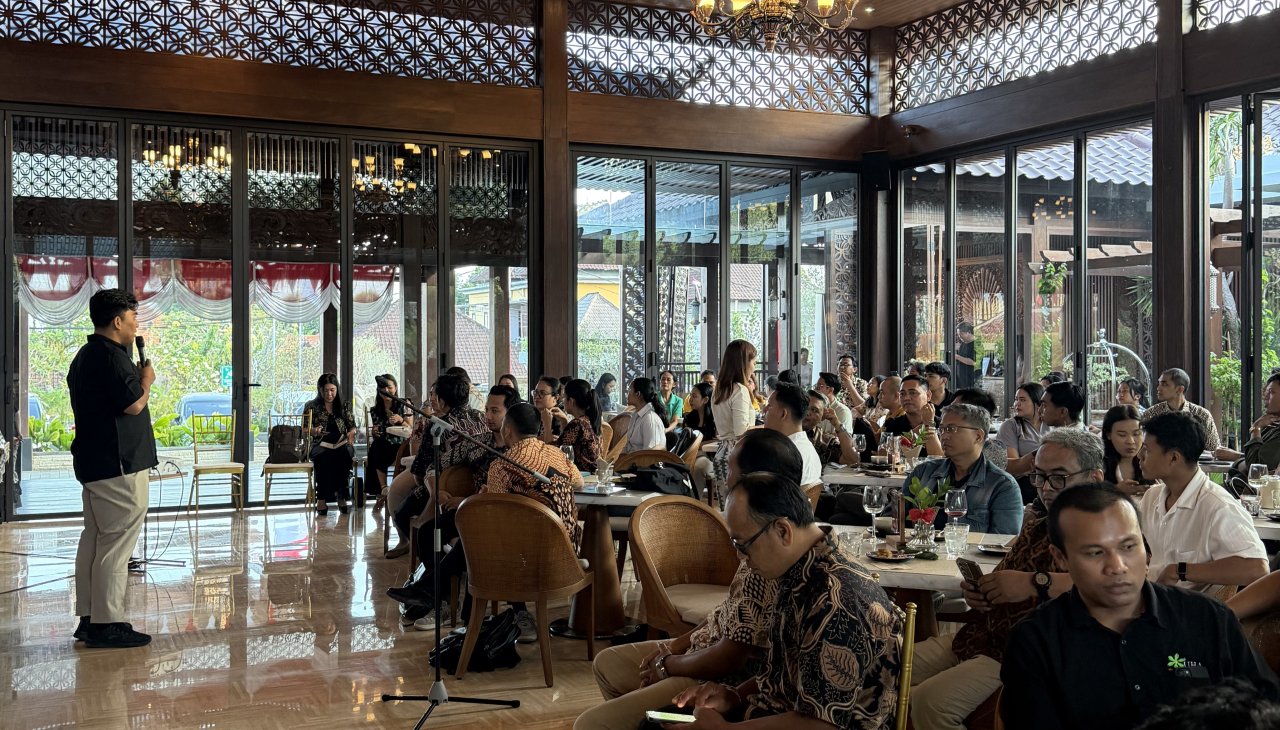
Ubud Hotels Association Inaugurates the 2026–2028 Board of Committee
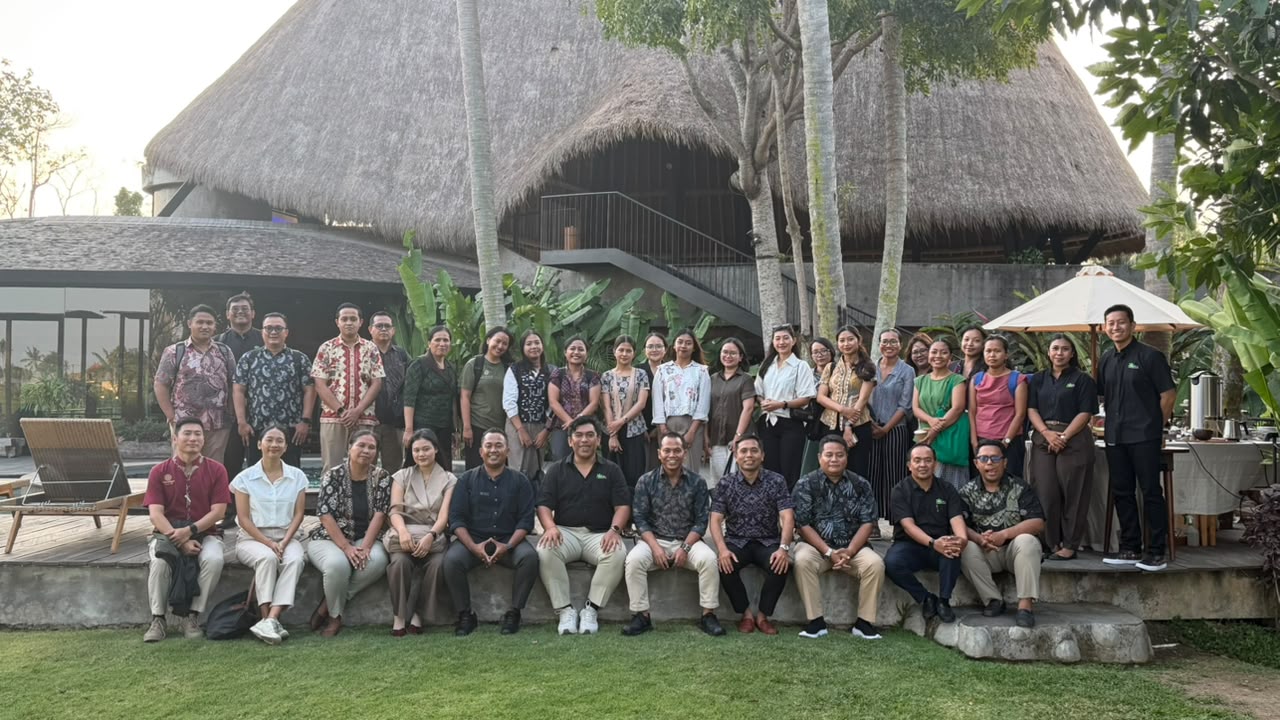
The inauguration of a new leadership period within the Ubud Hotels Association (UHA) represents more than an organizational transition. In Ubud, where hospitality is closely connected with cultural values, community relationships, and environmental responsibility, leadership carries a broader social meaning. The appointment of the UHA Board of Committee for the 2026–2028 term reflects a continued commitment to strengthening collaboration across the hospitality sector while preserving the identity and integrity of Ubud as a cultural destination.
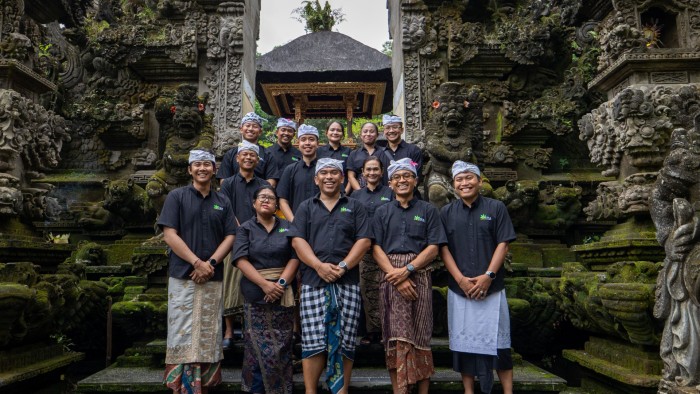
As tourism in Bali continues to evolve, Ubud faces both opportunities and challenges. Increasing global interest in meaningful travel experiences has reinforced Ubud’s reputation as a place of spirituality, creativity, wellness, and cultural depth. At the same time, rapid tourism growth requires careful management, thoughtful leadership, and long-term vision. Through the inauguration of its new committee, UHA reaffirms the importance of collective responsibility in shaping a sustainable future for the region.
The newly appointed board brings together hospitality professionals from diverse backgrounds and operational expertise. Their leadership is expected to support industry development while maintaining alignment with the cultural values that define Ubud and Gianyar.
A New Leadership Period for UHA
Continuing a Shared Vision
The Ubud Hotels Association has long functioned as a collaborative platform for hospitality stakeholders in Ubud and the wider Gianyar region. Established to support professional development, industry advocacy, and community engagement, the organization plays an important role in connecting hospitality businesses with broader social and cultural initiatives.
The 2026–2028 Board of Committee continues this mission through a leadership structure designed to encourage cooperation across multiple sectors of hospitality operations. The committee includes professionals working in management, human resources, sales and marketing, public relations, and organizational development. This structure reflects the understanding that tourism sustainability requires coordination across many areas of expertise.
The 2026–2028 leadership period is guided by Chairman Putu Surya Arysoma , alongside vice chairpersons, secretaries, treasury representatives, and coordinators responsible for specialized divisions including human resource development, media relations, and cultural programs.
A Second Leadership Term for Putu Surya Arysoma
The 2026–2028 period also marks the second consecutive term of leadership for Chairman Putu Surya Arysoma, who previously led the organization during the 2024–2026 term. His continued appointment reflects organizational confidence in the direction established during the previous leadership period, particularly in strengthening industry collaboration and maintaining UHA’s active role within the wider hospitality community.
Leadership continuity is especially significant in destinations such as Ubud, where tourism development requires long-term coordination and consistent engagement with local stakeholders. The continuation of leadership allows ongoing initiatives and partnerships to develop with greater stability and strategic focus.
Under consecutive leadership periods, UHA continues to position itself as a collaborative platform that supports professional standards, responsible tourism practices, and cultural awareness within the hospitality sector.
Leadership Rooted in Community
One of the defining characteristics of hospitality organizations in Bali is the close relationship between professional leadership and community values. In Ubud, hospitality is not viewed solely as a commercial activity. It is often understood as part of a wider ecosystem that includes traditional villages, ceremonial life, environmental stewardship, and cultural preservation.
This perspective shapes the role of organizations such as UHA. Leadership within the association involves not only supporting member businesses, but also encouraging responsible tourism practices that benefit local communities and protect cultural heritage.
The inauguration of the new board therefore carries symbolic importance. It represents continuity in collective efforts to balance economic activity with cultural respect and social responsibility.
Strengthening Sustainable Hospitality in Ubud
Responding to Industry Challenges
The hospitality industry in Ubud has experienced significant transformation over the past decade. International demand for experiential travel, wellness tourism, and cultural immersion has contributed to rapid growth throughout the region. While this growth has created opportunities, it has also increased pressure on infrastructure, environmental systems, and local communities.
Recent discussions within Bali’s hospitality sector have increasingly emphasized the importance of sustainable tourism management, workforce development, and cross-sector collaboration. UHA has consistently positioned these themes as part of its organizational priorities.
The inauguration of the 2026–2028 committee comes at a time when sustainable leadership is particularly relevant. Industry organizations are expected to support tourism models that prioritize long-term resilience rather than short-term growth alone. This includes promoting environmental awareness, encouraging professional training, and strengthening relationships between tourism stakeholders and local communities.
Human Resource Development as a Priority
One of the notable aspects of the newly announced committee structure is the strong emphasis on human resource development. Dedicated representatives have been appointed specifically to oversee training and workforce-related initiatives.
This reflects broader realities within Bali’s hospitality industry. As tourism standards evolve, there is increasing demand for professional skills that combine technical capability with cultural sensitivity. Hospitality workers in Ubud are often expected to engage with international visitors while also representing local traditions and values.
Training therefore extends beyond operational efficiency. It includes communication, cultural understanding, sustainability awareness, and community engagement. Through collaborative programs and educational initiatives, organizations such as UHA contribute to strengthening the professional capacity of hospitality workers across the region.
Preserving Cultural Identity Through Hospitality
Hospitality and Balinese Values
In Bali, hospitality is closely connected with cultural concepts of harmony and respect. Traditional philosophies emphasizing balance between humanity, nature, and spirituality continue to influence daily life throughout Ubud. These values are visible not only in ceremonial activities and community traditions, but also in the way visitors are welcomed and engaged.
The role of hospitality organizations becomes increasingly important in ensuring that tourism development remains connected to these principles. Without thoughtful leadership, rapid tourism expansion can risk reducing culture into performance or commodity. UHA’s continued focus on cultural and organizational programs reflects recognition of this concern.
The committee division dedicated to sport, organizational programs, and culture demonstrates the association’s intention to maintain cultural engagement as part of its broader activities.
Collaboration With Local Stakeholders
Sustainable tourism in Ubud depends on cooperation between many groups, including local communities, traditional village leaders, educational institutions, government agencies, and tourism businesses. Hospitality associations often act as a bridge between these sectors.
This collaborative approach has become increasingly important as tourism-related issues grow more complex. Environmental management, cultural preservation, traffic concerns, workforce development, and destination branding all require coordinated responses rather than isolated initiatives.
The new UHA leadership period is expected to continue strengthening these collaborative networks. Previous statements from organizational leadership have emphasized the importance of maintaining relationships with community organizations and government stakeholders while supporting responsible tourism growth.
The Structure of the 2026–2028 Committee
Diverse Expertise Across Departments
The 2026–2028 Board of Committee includes professionals representing a wide range of operational backgrounds within the hospitality industry. The organizational structure consists of leadership positions alongside specialized divisions responsible for areas such as:
- Human Resource Development
- Sales and E-Commerce
- Media and Public Relations
- Sport, Organizational Programs, and Culture
- Treasury and Administration
This diversified structure allows UHA to address hospitality issues from multiple perspectives. Tourism development today requires integrated strategies involving communication, education, sustainability, digital engagement, and cultural programming.
The presence of professionals from different operational disciplines also reflects the increasingly interconnected nature of hospitality management in Ubud.
Organizational Continuity
Leadership transitions within associations are important not only for introducing new ideas, but also for maintaining continuity in long-term initiatives. UHA’s ongoing programs related to training, marketing collaboration, and community engagement require consistent organizational support over multiple years.
The inauguration of the new committee therefore represents both renewal and continuity. While leadership responsibilities shift between individuals, the broader mission of supporting sustainable hospitality and cultural preservation remains consistent.
This continuity is especially important in destinations such as Ubud, where tourism identity is deeply connected to community trust and cultural authenticity.
Understanding the Role of Hospitality Associations in Ubud
For travelers and industry observers, hospitality organizations in Bali may appear primarily administrative. However, their role often extends much further. Associations such as UHA contribute to:
- Professional development within the hospitality sector
- Collaboration between tourism stakeholders
- Community-oriented programs and cultural initiatives
- Advocacy for sustainable tourism practices
- Educational and networking opportunities
Understanding these roles offers deeper insight into how tourism in Ubud is managed beyond the visitor experience itself.
Responsible Engagement With Ubud’s Hospitality Culture
Visitors exploring Ubud can contribute positively to the local environment by approaching tourism with awareness and respect. Practical considerations include:
- Respecting ceremonial activities and sacred spaces
- Supporting environmentally responsible tourism practices
- Learning about local customs and cultural etiquette
- Understanding that hospitality in Bali is connected to community values
- Engaging with Ubud beyond surface-level tourism experiences
Such awareness helps preserve the qualities that continue to make Ubud culturally significant.
Explore Ubud
The inauguration of the Ubud Hotels Association Board of Committee for the 2026–2028 term reflects a continuing effort to guide hospitality development with responsibility, professionalism, and cultural awareness. In a destination where tourism and tradition exist side by side, leadership carries an important role in maintaining balance between growth and preservation.
As Ubud continues to evolve within the global tourism landscape, organizations such as UHA contribute to shaping a hospitality environment that values collaboration, sustainability, and cultural integrity. Their work extends beyond operational coordination, supporting broader conversations about how tourism can coexist respectfully with local identity and community life.
For those seeking to understand Ubud more deeply, hospitality in the region is not only about accommodation or service. It is part of a living cultural ecosystem shaped by relationships, traditions, and shared responsibility. Exploring Ubud with this perspective allows for a more meaningful connection to the region and the values that continue to define it.