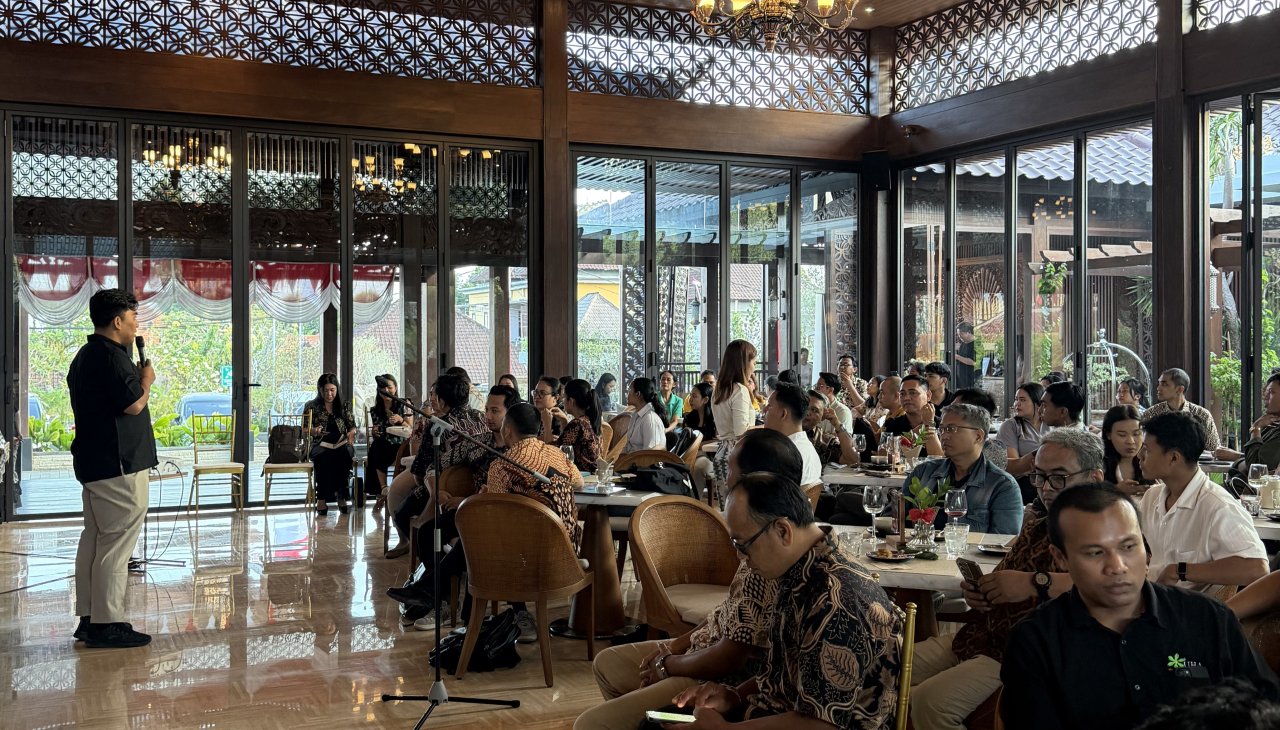
Indonesia's Independence: The Untold Reason Why Ubud Became One of the World's Most Iconic Hospitality Destinations
How the spirit of independence transformed Ubud from a quiet cultural village into Bali's global hospitality capital.
When people think of Indonesia's Independence Day, images of red-and-white flags, traditional games, and patriotic ceremonies often come to mind. But behind the celebration lies a remarkable story rarely discussed, one that has shaped the future of Ubud's hospitality industry, empowered thousands of local communities, and positioned Bali as one of the world's most sought-after travel destinations.
Today, Ubud welcomes millions of visitors from across the globe. Luxury resorts overlook emerald rice terraces, boutique villas blend seamlessly with ancient temples, award-winning restaurants celebrate local ingredients, and wellness retreats attract travelers seeking transformation.
None of this happened overnight.
The rise of Ubud tourism is deeply connected to Indonesia's journey as an independent nation.
Before Tourism, There Was Freedom
Indonesia declared its independence in 1945, marking the beginning of a nation determined to define its own future. For Bali, and especially Ubud, this meant more than political sovereignty. It created the opportunity to preserve culture, invest in tourism infrastructure, and introduce Indonesia's unique identity to the world.
Without independence, there would have been no national vision to position Bali tourism as a cornerstone of economic growth. There would have been no strategic investment in airports, roads, international promotion, hospitality education, or sustainable tourism initiatives that now make Indonesia one of Asia's leading travel destinations. Every international guest arriving in Ubud today is, in many ways, experiencing the long-term impact of decisions made decades ago.
Ubud: Where Culture Became the Ultimate Luxury
Unlike destinations built around skyscrapers or entertainment districts, Ubud built its reputation on something far more valuable; its identity.
While the world chased modernity, Ubud chose preservation. Traditional compounds remained standing. Ancient temples continued to host ceremonies. Artists passed their crafts from one generation to another.
The philosophy of Tri Hita Karana continued guiding everyday life. Instead of replacing tradition, the hospitality industry embraced it. Today, the world's finest hotels in Ubud proudly feature:
- Balinese-inspired architecture
- Locally handcrafted furniture and artwork
- Traditional culinary experiences
- Wellness rooted in ancient Balinese healing
- Authentic cultural performances
- Locally sourced ingredients from nearby farmers
- Personalized hospitality inspired by Balinese values
Guests don't simply book a room. They book an experience found nowhere else on Earth. That authenticity has become Ubud's greatest competitive advantage.
Independence Created More Than Tourism—It Created Opportunity
Behind every successful hotel, villa, café, spa, or restaurant in Ubud is a network of local people whose lives have been transformed by tourism. Hospitality has become one of the largest economic drivers in the region.
Every reservation supports an ecosystem that includes:
- Farmers supplying fresh produce
- Local artisans creating handcrafted décor
- Balinese dancers and musicians preserving centuries-old traditions
- Tour guides sharing stories beyond guidebooks
- Housekeeping teams delivering world-renowned service
- Chefs celebrating Indonesian cuisine
- Drivers, florists, photographers, and countless small businesses
This is what independence looks like in practice. It is not merely freedom from colonialism. It is the freedom to build sustainable livelihoods while protecting cultural identity.
Hospitality Is Indonesia's Most Powerful Ambassador
Most international travelers will never meet government officials. But they will remember the receptionist who welcomed them by name. The housekeeper who folded flowers into their towels. The chef who introduced them to authentic Balinese flavors. The therapist who explained the philosophy behind a traditional massage. The gardener carefully preparing daily offerings before sunrise. These moments become Indonesia's image in the eyes of the world. Every hospitality professional in Ubud is more than an employee.
They are ambassadors of Indonesia.
Every smile, every conversation, and every genuine act of kindness becomes a form of cultural diplomacy that no advertising campaign can replicate.
The New Meaning of Independence for Ubud's Hospitality Industry
Today, the hospitality industry faces a new challenge. Tourism continues to grow rapidly. International investment increases every year. Technology changes how people travel. Artificial intelligence reshapes guest expectations. Luxury evolves. Competition intensifies. Yet one question remains.
Can Ubud continue growing without losing the soul that made it famous?
This may be the defining challenge of the next generation. Because true independence is not only about economic growth. It is about having the courage to protect what makes Ubud irreplaceable. Hotels that support local farmers. Restaurants celebrating Indonesian ingredients. Villas employing local talent. Businesses reducing environmental impact. Properties preserving Balinese architecture instead of replacing it. These are not simply sustainability initiatives. They are modern expressions of Indonesia's independence.
Why Ubud's Future Depends on Authentic Hospitality
Travel trends are changing. Today's travelers are no longer searching only for beautiful destinations. They seek authenticity. Connection. Purpose. Culture. Meaning. And that is exactly what Ubud has offered long before experiential travel became a global trend. Hospitality businesses that remain deeply connected to Balinese culture will continue standing apart in an increasingly competitive market. Luxury can be copied. Buildings can be replicated. Technology can be purchased. But authentic Balinese hospitality cannot.
Independence Is More Than a National Celebration
Every Independence Day reminds us that freedom comes with responsibility. For Indonesia, it means continuing to grow while protecting its national identity. For Bali, it means ensuring tourism remains sustainable. For Ubud, it means safeguarding the traditions, people, and values that have made this cultural sanctuary admired across the world. The hospitality industry is no longer just welcoming guests. It is preserving history. Supporting communities. Protecting heritage. And shaping how millions of people experience Indonesia for generations to come.
That may be the greatest legacy of independence, not simply creating a nation, but creating a destination where culture, community, and hospitality continue to inspire the world.
As Indonesia celebrates another Independence Day, the hospitality industry in Ubud has every reason to celebrate as well.
Every guest who checks in, every local artisan whose work is appreciated, every farmer supplying fresh ingredients, and every team member delivering heartfelt service is part of a much larger story.
A story that began with independence. A story that continues with hospitality.
And a story that reminds us that the greatest luxury Ubud offers is not found in its villas, infinity pools, or fine dining, it is found in the freedom to preserve its culture while sharing it with the world.