UHA Ngopi-Ngopi #3: From Immigration Updates to Better Guest Relations
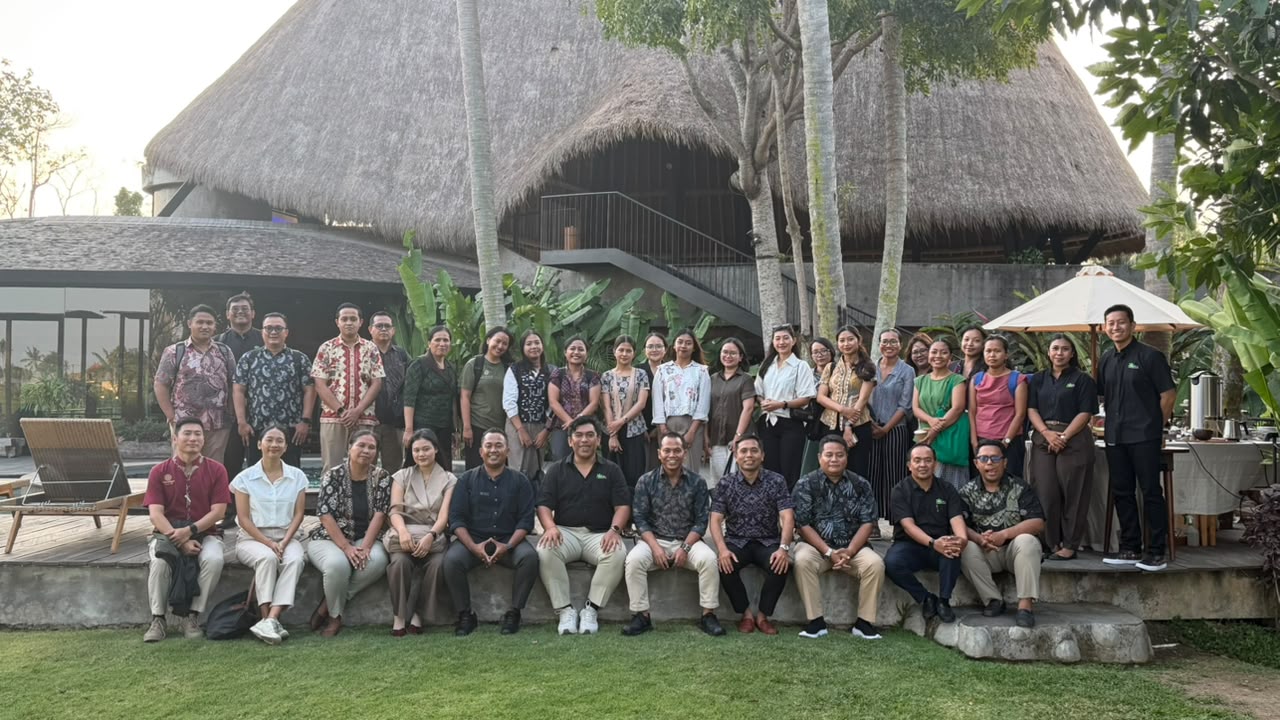
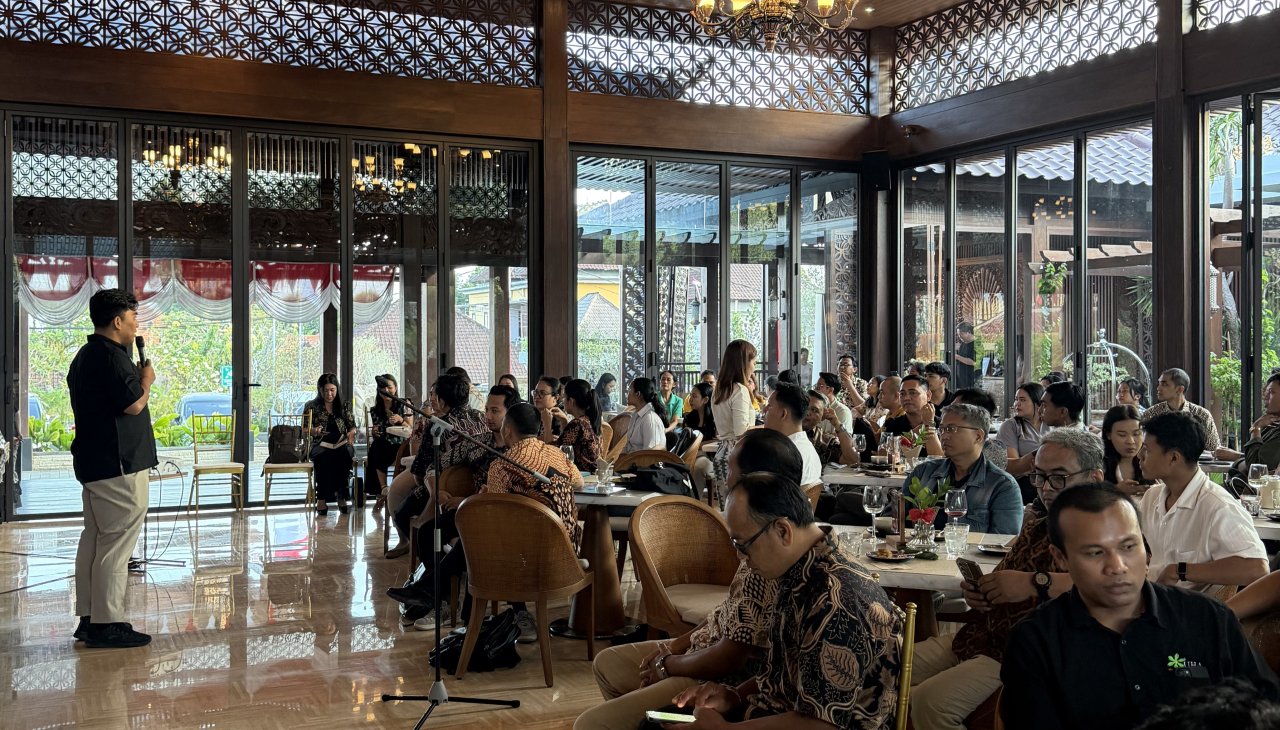
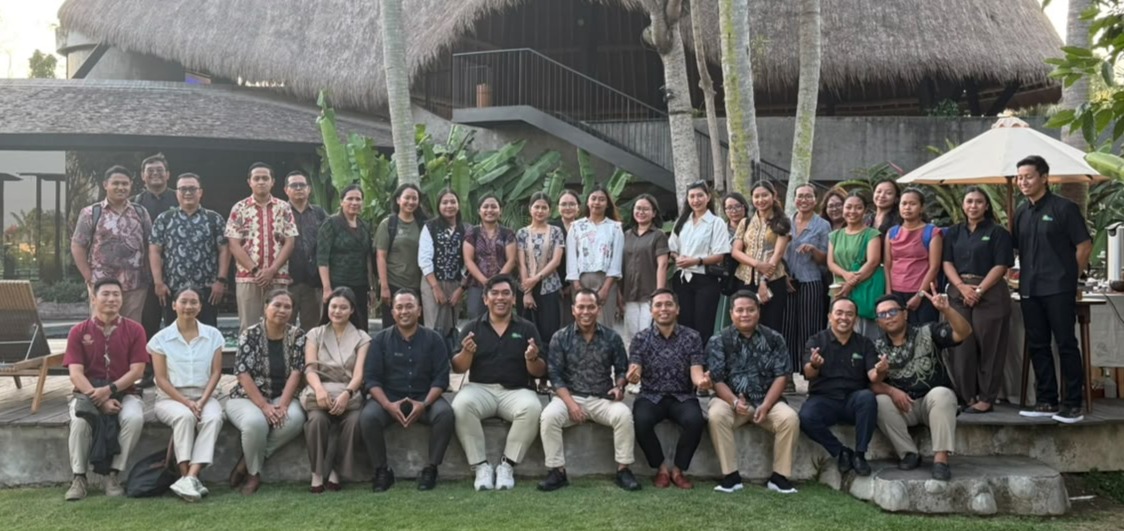
On October 2, 2026, the Ubud Hotels Association (UHA) brought hospitality professionals together for the third edition of UHA Ngopi-Ngopi, hosted in GDAS Bali Health & Wellness Resort.
Held in the spirit of meaningful conversations over coffee, Ngopi-Ngopi is a recurring UHA program under the Sales & Marketing Division, created to strengthen industry connections, encourage knowledge sharing, and explore opportunities for collaboration within Ubud’s hospitality community. Rather than a formal seminar, the program provides a relaxed environment where hospitality professionals can exchange experiences, discuss current challenges, and learn from different perspectives across the industry.
For this third edition, GDAS Bali Health & Wellness Resort provided a welcoming setting for hospitality professionals to connect beyond their individual properties. The partnership reflects the spirit of Ngopi-Ngopi itself: creating opportunities for UHA members, industry partners, and tourism stakeholders to come together, share knowledge, and strengthen relationships across the hospitality ecosystem.
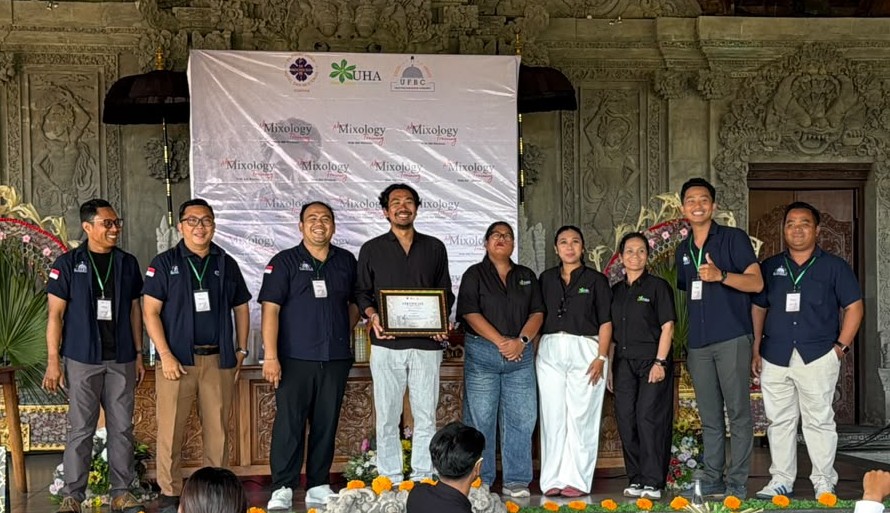
The evening featured two sharing sessions covering topics with direct relevance to hospitality operations and guest experience: immigration updates and compliance, presented by Immigration Bali, followed by a session on customer relations and communication with a representative from the Ubud Writers & Readers Festival.
Staying Informed: Immigration Updates for Hospitality Professionals
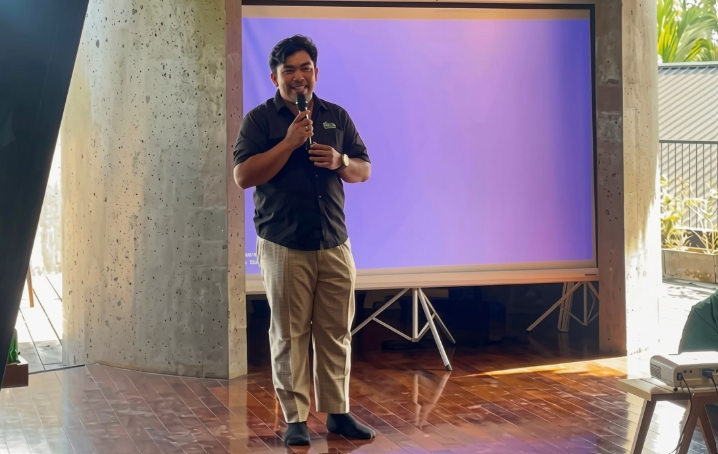
The first session featured speakers from Immigration Bali, who shared updates and practical insights on the V5 and C10 visa categories. While immigration regulations may not initially appear closely connected to the day-to-day responsibilities of hospitality professionals, they are increasingly relevant in Bali’s highly international hospitality environment. Hotels, resorts, villas, restaurants, wellness businesses, event organizers, and tourism operators regularly interact with foreign guests, employees, practitioners, consultants, speakers, business partners, and other international stakeholders. Understanding the purpose and limitations of different visa categories can therefore help hospitality professionals navigate these interactions more responsibly.
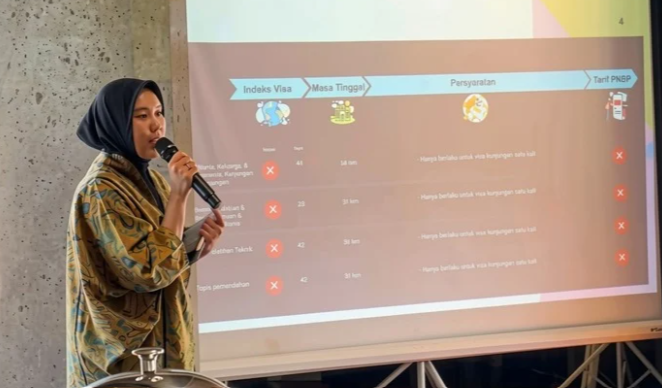
The discussion around V5 and C10 provided participants with an opportunity to understand how different immigration categories relate to the activities an international visitor may undertake in Indonesia. This distinction is important because having a valid visa does not necessarily mean that a person is permitted to carry out every type of activity in Indonesia. A guest attending a business meeting, a foreign professional participating in an event, a speaker delivering a presentation, or an individual providing a professional service may have different immigration considerations depending on the nature of their activity. For hospitality professionals, recognizing these distinctions can prevent assumptions and help ensure that questions involving immigration status are handled appropriately.
This knowledge can also have practical implications for everyday operations. Front office and guest relations teams may be asked questions about visa requirements; event teams may coordinate with international speakers or participants; HR departments may work with foreign employees or practitioners; and sales or management teams may collaborate with overseas businesses and professionals. In each of these situations, hospitality staff do not need to interpret immigration law themselves. Instead, they need to know when an immigration matter may be relevant, what information they can communicate confidently, and when a question should be referred to Immigration Bali or another qualified authority.
Ultimately, immigration awareness is not about turning hospitality professionals into immigration experts. It is about developing the awareness to recognize potential issues, avoid unintentionally giving inaccurate advice, and direct international guests and partners toward the appropriate source of information. In an industry built on international interaction and trust, staying informed is part of responsible and professional hospitality.
Customer Relations: Building Connections Across Ubud’s Hospitality Ecosystem
The second sharing session shifted the focus from regulations to relationships, featuring a representative from the Ubud Writers & Readers Festival (UWRF) for a discussion on customer relations and audience management.
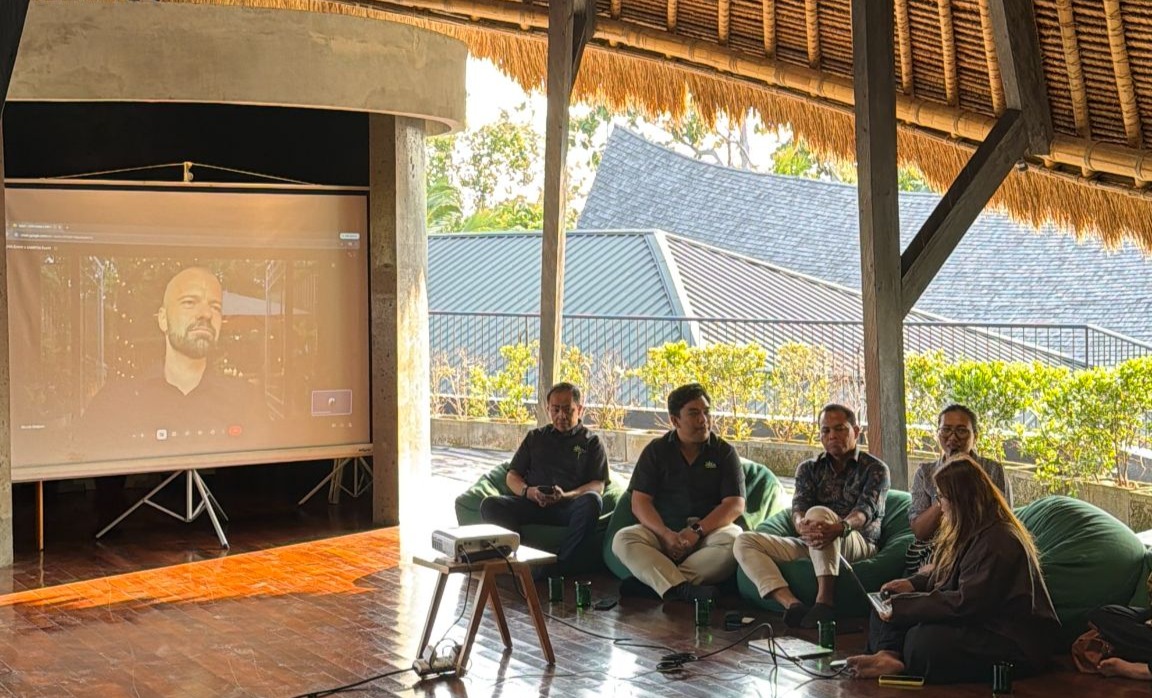
This session was particularly relevant as UHA is partnering with UWRF for this year’s festival, taking place from October 21–25, 2026. Through the partnership, the session offered hospitality professionals an opportunity to learn how an established annual event maintains relationships with its audience from one year to the next.
One of the key topics shared was how UWRF maintains and manages its audience data over the years. Rather than treating each festival as a standalone event, UWRF uses information and relationships built from previous years to maintain ongoing communication with its audience. This allows the festival to stay connected with people who have previously attended or engaged with its programmes, while continuing to reach new audiences.
For hospitality professionals, this approach offers a valuable perspective on customer relationship management. Hotels and other hospitality businesses also interact with guests who may return multiple times. Maintaining relevant customer information and understanding past interactions can help teams communicate more effectively and build stronger relationships with returning guests.
The session also explored how UWRF maintains communication with its audience throughout the year, rather than only when the annual festival is approaching. Consistent and relevant communication helps keep the relationship active between events and ensures that existing audiences remain connected with the festival.
This principle can be applied directly to hospitality. A guest relationship does not necessarily end at check-out. With appropriate and responsible customer data management, hospitality teams can continue engaging with previous guests through relevant updates, offers, events, or experiences, while keeping communication useful and meaningful.
For UHA members, the session provided a broader perspective on customer relations: building a relationship is not only about the interaction that happens today, but also about how that relationship is maintained over time. Whether it is a festival audience returning year after year or a guest choosing to return to the same property, maintaining meaningful connections can turn a one-time interaction into a longer-term relationship.
Where Conversations Connect
For hospitality professionals in Ubud, joining UHA Ngopi-Ngopi is more than simply attending another industry gathering, it is an opportunity to be part of the conversations shaping the hospitality community itself. The value lies not only in who is speaking, but in who is in the room: fellow hospitality professionals, industry leaders, business partners, and people bringing different experiences and perspectives to the table. In an industry where opportunities often grow through relationships, being present, exchanging ideas, and staying connected can be just as valuable as the formal knowledge shared during a session.
UHA encourages hospitality professionals to make Ngopi-Ngopi a regular part of their professional calendar—not because every conversation will have an immediate outcome, but because meaningful connections, collaborations, and ideas often begin informally. As the programme continues, we hope each edition can bring together an even broader range of hospitality professionals, introduce fresh voices and perspectives, and create more opportunities for members to learn from one another and collaborate beyond their individual properties.
Because in hospitality, the strongest networks are not built in a single evening. They are built conversation by conversation.